CAL-E Learning Objectives
Understand core principles and values underlying agile methods, as well as your role in supporting and promoting them, so you can think and act different.
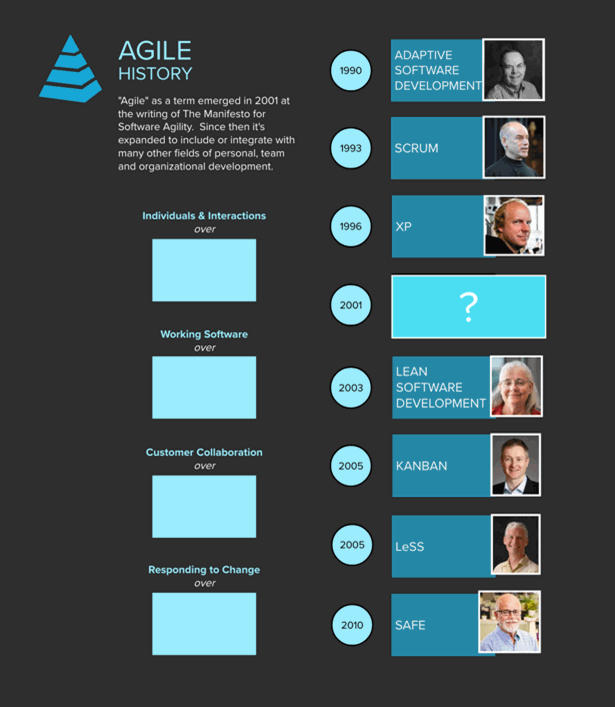
The Growth of Agile
Markets are increasingly volatile, unpredictable, complex, and ambiguous. Agile methods help respond to VUCA as they create short feedback loops to maximize learning, limit risk and increase return on investment.
Why Agile Leadership
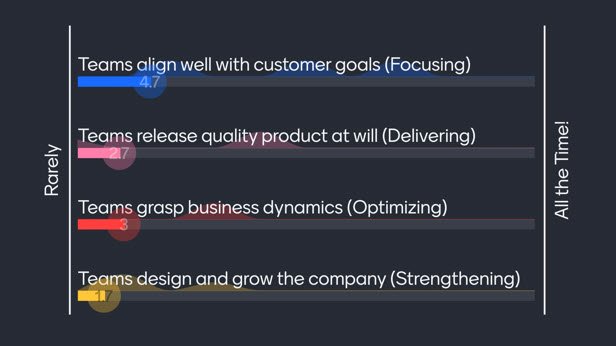
Agile methods were created to deal with the need for adaptation without sacrificing quality in software development, but delivering great products and services requires end-to-end flow that extends beyond just technology silos and into other groups like marketing, sales and operations. Agile leaders help to drive better collaboration and coordination at an organizational level, which can dramatically improve product value and quality, delivery speed and employee engagement.
What Agile Leadership Entails
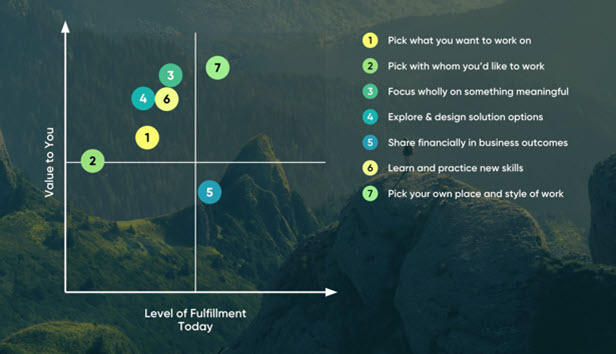
Agile leadership requires different approaches to planning, tracking, and managing work. Creating effective empirical feedback loops and a growth mindset are important to driving agility at scale.
Becoming an Agile Leader
The best leaders blend strong self-awareness, empathy for their employees and a nuanced understanding of the business and customer environment. This allows them to apply situational leadership where the right style depends on the context. They drive lasting change by helping teams to become properly self-organizing.
CAL-O Learning Objectives
Be effective in supporting agile programs and portfolios by crafting a template for organizational transformation and by applying organization change management to reduce risk and increase the potential positive impact.
How Leaders Enable Agility
Creating an agile culture is an iterative and incremental process like that seen in agile methods themselves. Leaders play a fundamental role in modeling agile behaviors and creating a system in which experimentation and learning can be facilitated without undue risk to the business.
Agile Organizational Design Strategies
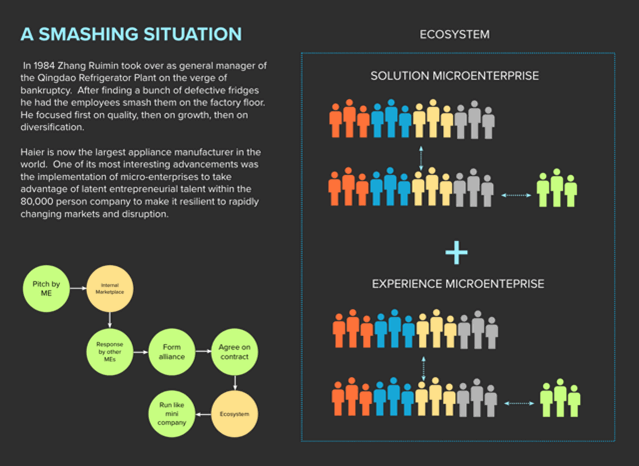
Basic agile teams are cross-functional, encapsulating dependencies to support strong ownership. speed, quality, and adaptability. Agile organizations effectively connect dependent business units in a way that optimizes the flow of value from planning through delivery and into operations.
Driving Agility as a Leader
Empirical approaches such as Scrum rely on rapidly delivering capabilities in a way that allows for quick learning and adaptation. Leaders play a critical part in enabling this through focused portfolio management, modular planning, and adaptive governance.